
Gambia beaches at a glance
Most visitors spend their days on the stretch of Atlantic coast around Kotu, Kololi, Cape Point and Bijilo, where hotels, restaurants and shops sit close to the sand. Further along are quieter or more local beaches, such as Sanyang and the fish landing at Tanji. The six beaches below are not rated against each other. They simply do different jobs.
Swimming needs care on all of them. Germany's travel advice warns of dangerous cross currents along the coast, and a beach guide published in December 2025 notes strong currents at Kotu even though the sand slopes gently. This is an independent guide, not run by any beach, hotel or tourism authority, and it cannot tell you where the water is safe today. Ask hotel staff and local people before you go in.
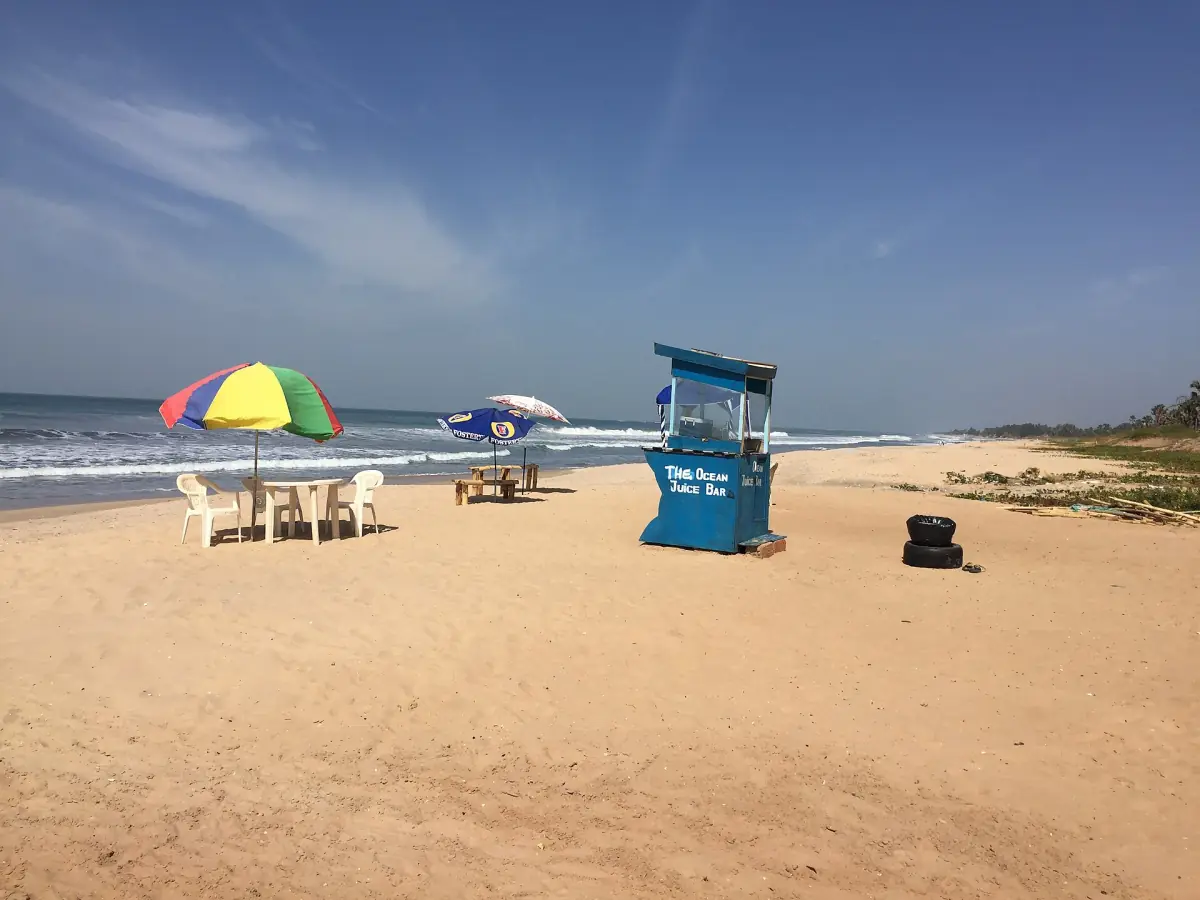
The six beaches side by side
Descriptions from a December 2025 beach guide. Sand and tide change the picture from day to day.
| Beach | Setting | What is nearby | Good to know |
|---|---|---|---|
| Kotu | Broad, flat sandy beach | Hotels, restaurants and Kotu Creek | Strong currents despite the gentle slope |
| Kololi | Narrow in places, more sand at low tide | Restaurants, bars and shops behind the beach | The width changes with the tide |
| Cape Point | Wide area of sand | Hotels set back from the beach, beach furniture | – |
| Bijilo | South of the main Kololi resort area | A less densely built coast | – |
| Sanyang | Also called Paradise Beach | Beach restaurants and sunbeds | – |
| Tanji | A working fish beach | Fish landing, processing and pirogues | Not recommended in the guide for swimming or sunbathing |
Our picks: a beach day on the south coast
This day tour spends a long lunch at Paradise Beach, one of the six beaches above, and ends at the Tanji fish landing.
Hand-picked tours, booked through Viator. Prices are indicative starting prices in US dollars (as of October 2026). Tap a tour for live availability and the current price in your currency.
Tours from the beach resorts
Boat trips, birdwatching, city tours and day excursions from Kololi, Kotu and Cape Point, with live prices and availability.
Kotu
Kotu is a broad, flat sandy beach with hotels and restaurants close by. The guide that describes it also warns that currents can be strong even where the sand slopes gently into the sea, so wading and swimming need the same care as anywhere else on this coast.
Kotu Creek, behind the beach, is one of the places that birdwatching operators list. Walking a creek side early in the morning is a different day from lying on the sand. See the nature reserves page for birds and forest walks.
Kololi
Kololi is the heart of the main resort area. In places the beach is narrow, and more sand shows at low tide, so do not expect the same width every day. The point of Kololi is what lies behind the beach: restaurants, bars and shops along the Senegambia Strip. Our Senegambia Strip page covers the evening side and the autumn 2026 changes.
Cape Point
Cape Point has a wide area of sand, with hotels set back from the beach and beach furniture on it. It lies near Bakau, where you also find the Kachikally crocodile pool.
Bijilo, Sanyang and Tanji
Bijilo lies south of Kololi, the main resort area, and its coast is less densely built. Bijilo Forest Park, known for its monkeys, is close to Kololi. Do not feed the monkeys, even if food is sold at the park. A recent visitor report advises against it because it makes the animals bold, and bites are a risk.
Sanyang is also called Paradise Beach. A beach guide describes beach restaurants and sunbeds there. Do not assume any fixed programme of events, such as a Sunday party, because open-air events are currently suspended in the tourist zone.
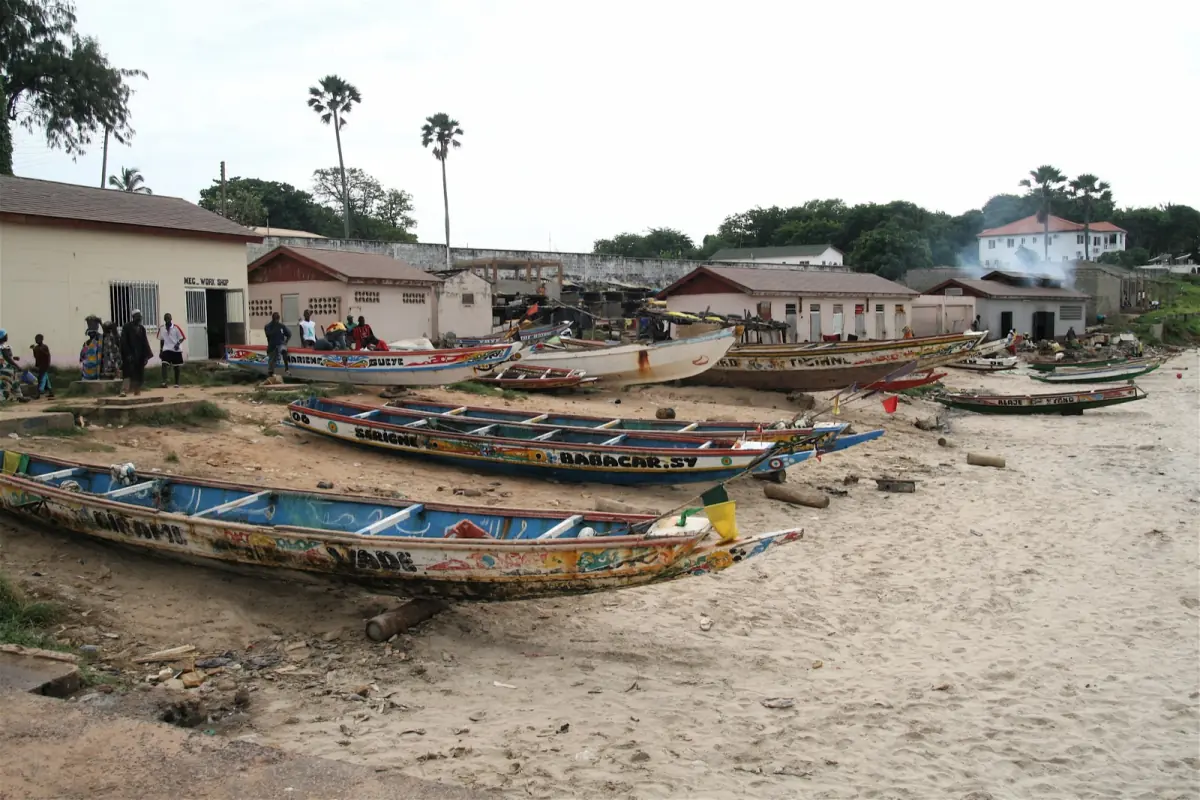
Tanji is different. It is a working beach where fishing boats land their catch and the fish is processed, with a fish market. The guide does not recommend it for swimming or lying in the sun. Go to watch the work, and ask before you photograph people.
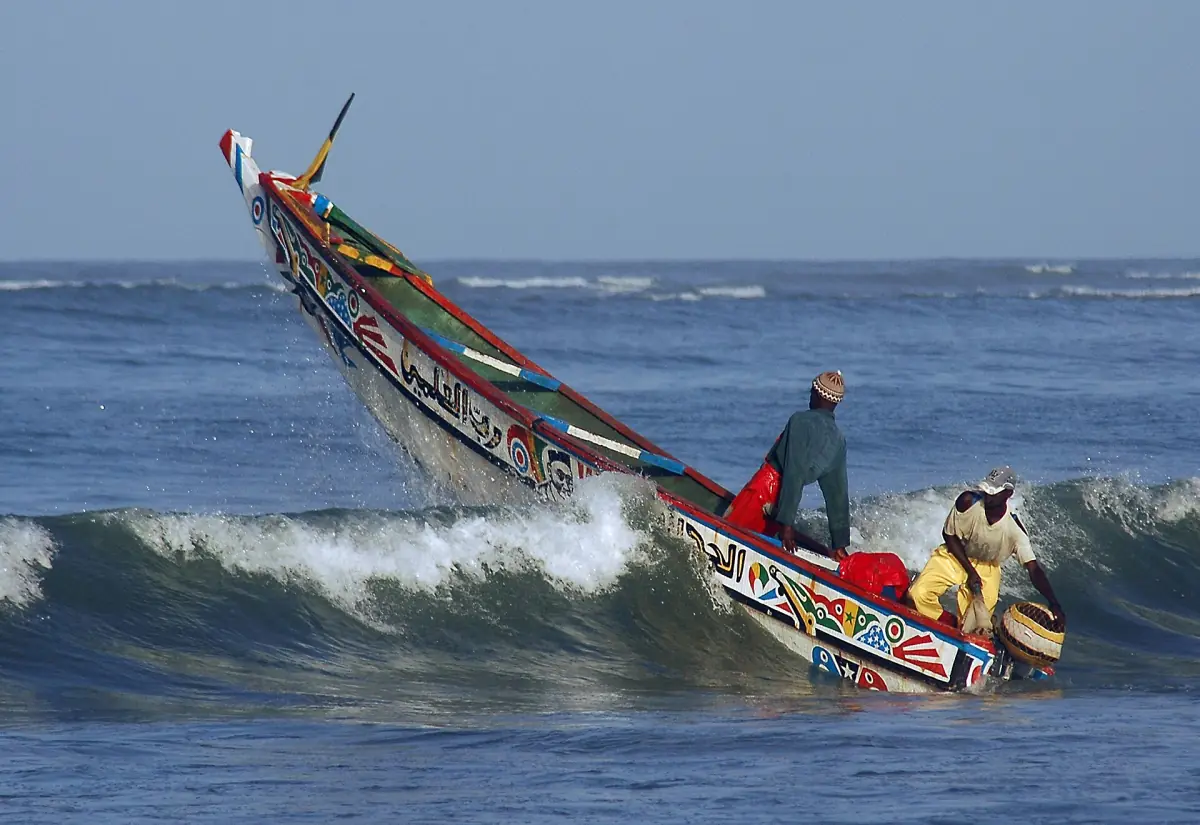
Staying safe and polite on the sand
Four things that matter more than the choice of beach.
Currents
Germany's advice warns of dangerous cross currents. Swimming zones and lifeguard hours can change, so treat the sea with respect and ask locally on the day.
Offers of help
UK advice uses the word bumsters for men who offer help or guiding that you did not ask for. The word is not an official job title, and many local guides work honestly. If you do not want company, decline politely and clearly.
No beach parties
Open-air music and entertainment events in the Tourism Development Area, including beaches, were reported suspended at the end of September 2026. Hotels and restaurants indoors are not reported closed. Ask your hotel what is on.
Cash and rain
Carry small amounts of cash, as many places do not take cards. From June to October rain and floods can disrupt roads, so allow extra time to reach a beach.
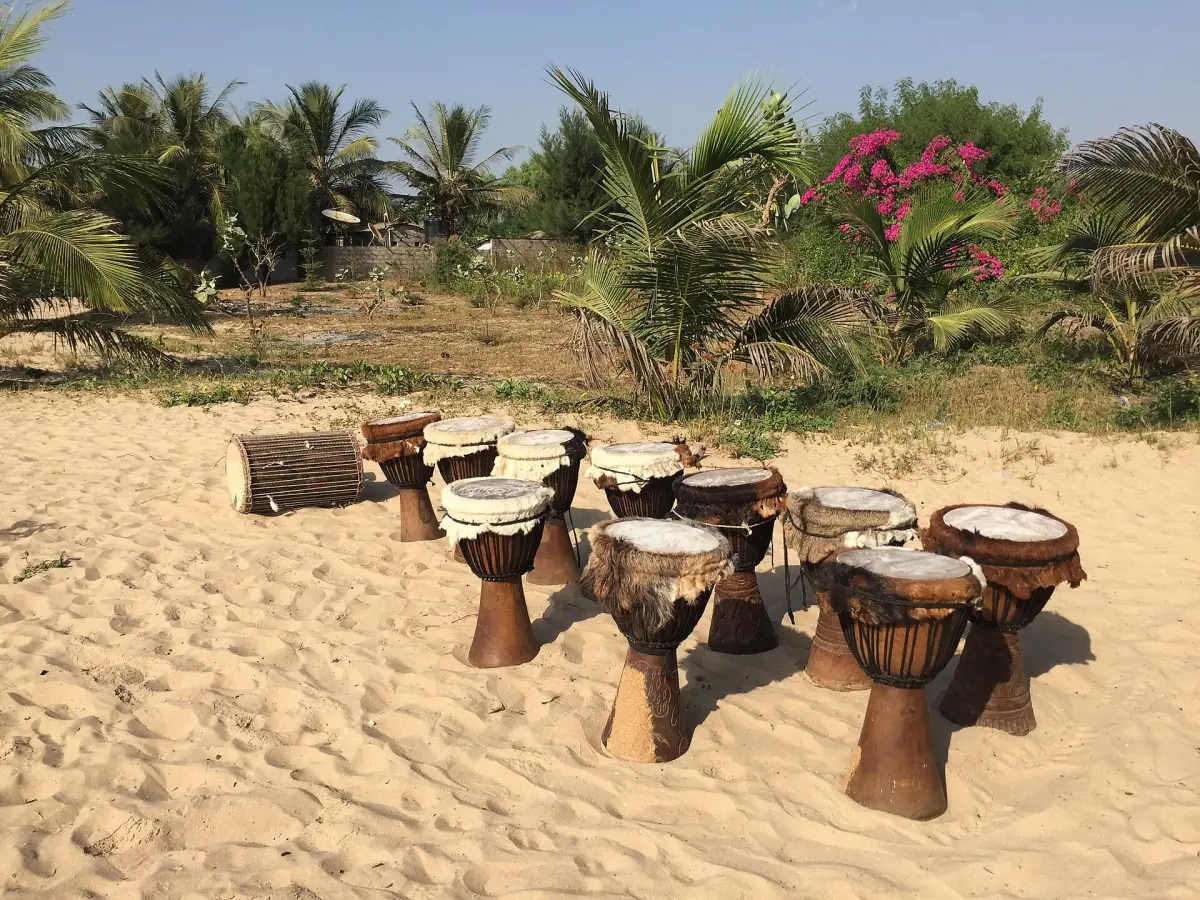
Beach sellers and crafts
Along the beaches you will meet people selling drums, batik fabric and other goods, and others offering to guide you. Treat it as the normal business of a tourist coast. Greet people, look if you are interested, and agree a price before you take anything. A clear and friendly no is enough if you are not.
For crafts, there are also stalls at Cape Point and markets in Banjul and Serrekunda. Prices are not fixed, so we do not quote any.
Where to base yourself
Pick the beach by what you want around it.

Gambia beaches: frequently asked questions
Which is the best beach in The Gambia?
It depends on what you want. Kotu is a broad, flat beach with hotels and restaurants. Kololi has the restaurants, bars and shops of the Senegambia Strip behind it. Cape Point has a wide area of sand. Tanji is a fish landing rather than a place to relax.
Is it safe to swim?
Germany's advice warns of dangerous cross currents. A December 2025 beach guide notes strong currents at Kotu even though the sand slopes gently. Swim only where local people and hotel staff say it is fine.
Are there beach parties in 2026?
Not for now. At the end of September 2026 the tourism board was reported to have suspended public open-air music and entertainment events in the Tourism Development Area, including beach parties, concerts and festivals, until further notice. Check with your hotel for the current position.
Who are the bumsters?
The word is used in UK advice for men who offer unrequested help or guiding to visitors. It is not an official profession, and it does not describe every local guide. If you do not want an offer, decline in a friendly but firm way.
When is the best time for a beach holiday?
The months from November to May are much drier at Banjul. From June to October rain and flooding can disrupt travel. See the weather page for the monthly table.