
Gambia weather at a glance
The Gambia has two seasons that matter for a trip: a dry season and a rainy season. In Banjul the average daily high stays between 31.6 and 34.0 °C in every month. Rain is what changes. From November to May almost none falls. From June to October it falls heavily, and August is the wettest month.
The figures here are long-term averages for Banjul from 1991 to 2020, published by the World Meteorological Organization. They show what is typical, not what will happen on a given day, and they do not describe places far inland. The country keeps Greenwich Mean Time all year, with no clock change.
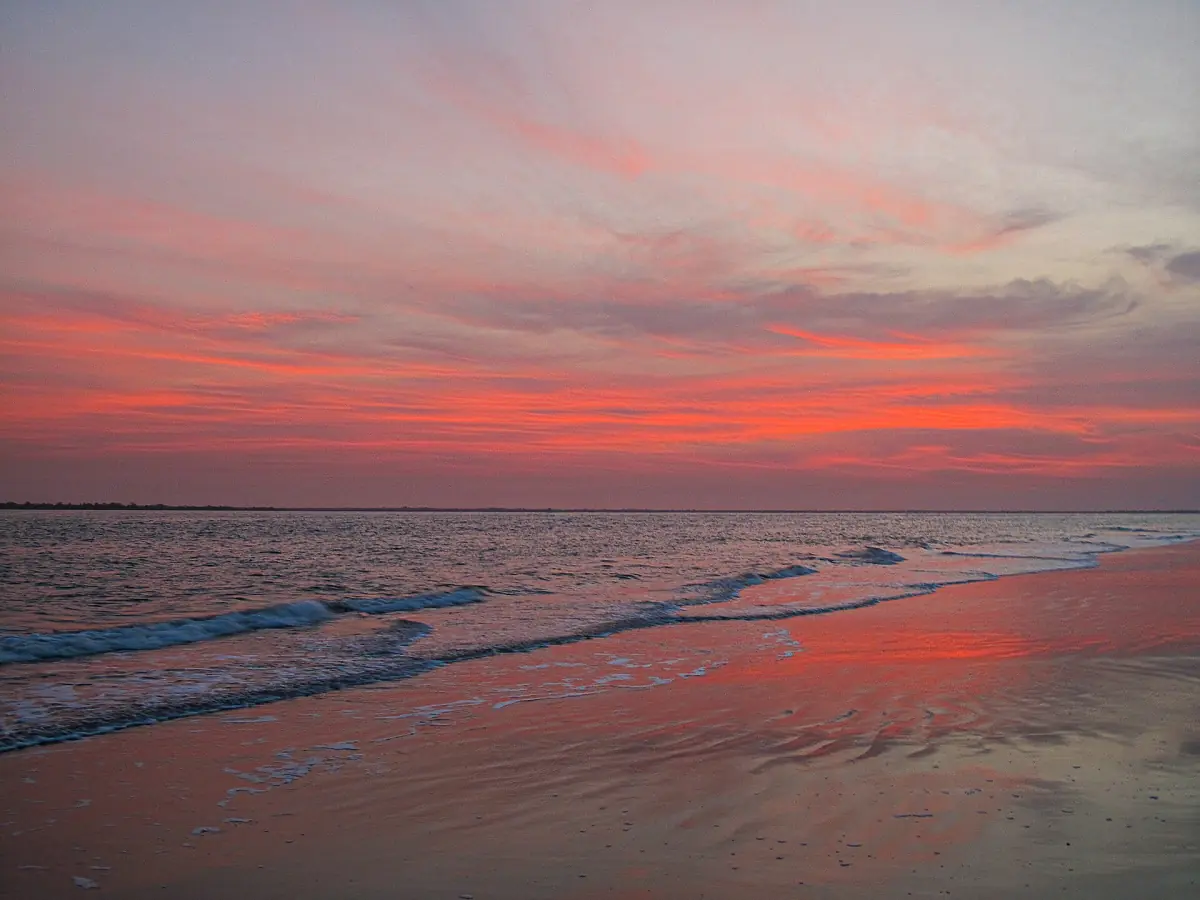
Climate by month in Banjul
Average daily high and low, and total rain per month, 1991 to 2020.
| Month | High (°C) | Low (°C) | Rain (mm) | Season |
|---|---|---|---|---|
| January | 32.4 | 17.9 | 0.7 | Dry |
| February | 33.2 | 18.3 | 0.9 | Dry |
| March | 32.9 | 19.6 | 0.1 | Dry |
| April | 31.8 | 19.9 | 0.0 | Dry |
| May | 31.6 | 21.0 | 2.5 | Dry |
| June | 32.4 | 22.4 | 43.6 | Rains begin |
| July | 31.8 | 23.2 | 188.7 | Rainy |
| August | 31.6 | 23.4 | 287.1 | Rainy, wettest |
| September | 32.1 | 23.2 | 234.5 | Rainy |
| October | 33.5 | 23.9 | 61.7 | Rains ending |
| November | 34.0 | 21.6 | 1.3 | Dry |
| December | 32.9 | 19.7 | 0.2 | Dry |
The highs are the average of each day's top temperature, and the lows the average of each night's bottom. Individual days can be hotter or cooler. The season labels are our reading of the rain figures.
Our picks: birdwatching in the dry months
A guided birdwatching outing suits the dry season, when the table shows almost no rain and migrants are around.
Hand-picked tours, booked through Viator. Prices are indicative starting prices in US dollars (as of October 2026). Tap a tour for live availability and the current price in your currency.
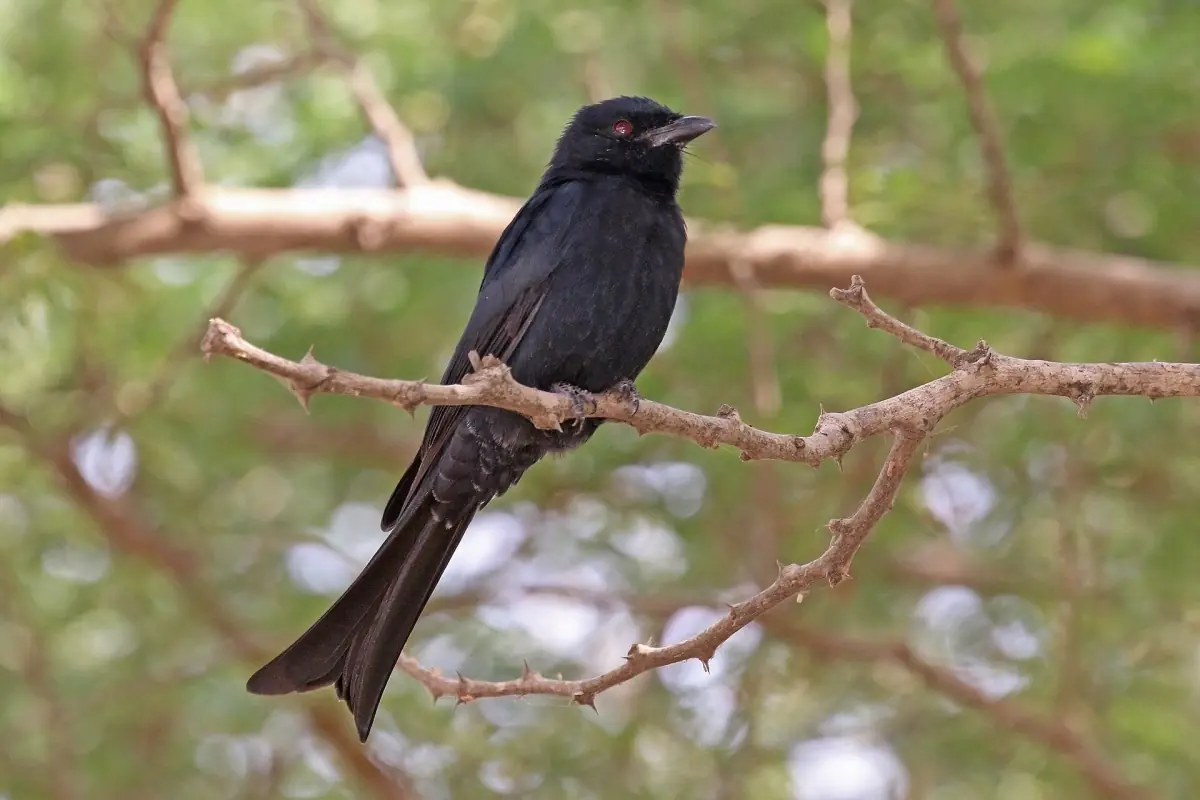
Gambia tours by season
River cruises, birdwatching and day trips from the coast, with live prices and availability.
Dry season, November to May
These are the months most visitors choose. Rain is rare, with April the driest at 0.0 mm on average. November is the hottest month for daytime highs at 34.0 °C, and January and February have the coolest nights, around 18 °C. The rain figures say nothing about humidity or sea temperature, so check those with your hotel.
One birding operator recommends November to April, when European migrants are present and conditions are dry. Birds at Abuko can be good all year. See the nature reserves page.
Rainy season, June to October
Rain builds in June and peaks from July to September. August averages 287.1 mm, September 234.5 mm and July 188.7 mm. By October the total falls to 61.7 mm. Nights are warmest in this season, with average lows of 23.2 to 23.9 °C from July to October.
The UK Foreign Office says that rain and floods from June to October can make roads impassable at short notice and cause traffic problems. Power cuts can affect water and communications. Allow extra time for any road trip and keep your plans flexible.
The year in four parts
A simple way to read the table.
November and December
Rain has stopped, with 1.3 mm in November and 0.2 mm in December. Highs reach 34.0 °C in November and nights cool to 19.7 °C by December.
January to March
The coolest nights of the year, with lows of 17.9 to 19.6 °C, and almost no rain at all. Highs stay between 32.4 and 33.2 °C.
April and May
The driest month is April, with no rain on average, and May adds only 2.5 mm. Nights warm to 21.0 °C in May as the rainy season approaches.
June to October
Rain starts at 43.6 mm in June, peaks in August and drops to 61.7 mm in October. Expect warm nights and a higher chance of disrupted roads.
Best time to visit The Gambia
It depends on what you want to do.
Beach holiday
November to May has the least rain. Check current sea conditions with your hotel, as strong currents are reported along the coast. See the beaches page.
Birdwatching
One operator recommends November to April and starting at sunrise. No sighting is guaranteed.
River trips and day excursions
Dry months give you the most reliable roads. In the rainy season, ask the operator how rain affects the route. The tours page has examples.
Winter 2026/27
Open-air music events in the tourism area were suspended at the end of September 2026, so do not plan for beach parties. A presidential election is set for 5 December 2026, and protests over power cuts were reported in September. Read the current travel advice before you book.
Health and the seasons
Malaria is not limited to the rainy season. The US CDC reports transmission throughout the country and recommends prescription prophylaxis, so the dry season is not a malaria-free time. The CDC also recommends yellow fever vaccination for travellers from 9 months of age, and asks for proof from those who arrive from a risk country. See a travel medicine doctor before you go. For planning where to sleep by area, see where to stay.
Gambia weather: frequently asked questions
What is the best month to visit The Gambia?
For little rain, choose any month from November to May. April is driest on average. There is no single best month, since it depends on what you plan to do.
When is the rainy season?
From June to October. August is wettest, with 287.1 mm on average in Banjul.
How hot does it get?
Average daytime highs in Banjul stay between 31.6 and 34.0 °C throughout the year. November is the hottest, at 34.0 °C.
Is it safe to travel in the rainy season?
Many visitors travel then, but roads can flood and traffic can slow, mostly from June to October. Keep your plans flexible. Official advice also mentions power cuts.
Do I need malaria tablets in the dry season?
The CDC reports malaria transmission across the country and recommends prescription prophylaxis. Ask a travel medicine doctor which drug suits you.